
FUE Hair Transplant in Turkey
What Is an FUE Hair Transplant?
FUE stands for Follicular Unit Extraction, also known as Follicular Unit Excision. During the procedure, individual follicular units are removed from the donor area using a small circular punch. Each unit, commonly called a graft, can contain one or more hairs.
The grafts are then placed into the areas selected during treatment planning. Donor hair is usually taken from the back and sides of the scalp, depending on its suitability.
FUE describes the method used to collect the grafts. Hairline design, recipient-site preparation and graft placement are separate parts of the procedure that also influence the outcome.
A Personalised Approach to Hair Restoration
Hair loss affects everyone differently. The shape of your hairline, the extent of thinning and the characteristics of your donor hair all need to be considered before deciding on treatment.
Planning involves assessing what can realistically be achieved while making careful use of the available donor supply. The aim is to create an appearance that works with your facial features and existing hair, while considering possible future hair loss.
Your assessment may include:
- The pattern and progression of your hair loss
- The density and condition of your donor area
- Hair thickness, texture and growth direction
- Your scalp health and medical history
- Your expectations for hairline shape and coverage
Who May Be Suitable for FUE?
FUE may be an option for people with suitable donor hair and areas of hair loss that can benefit from transplantation. It can be considered for a receding hairline, thinning across the top of the scalp or crown hair loss.Suitability depends on the cause of the hair loss, its stability and the condition of the scalp. Not every type of hair loss is suitable for surgery, and some people may benefit from medical treatment before a transplant is considered.A personal clinical assessment is needed to discuss whether FUE is appropriate and what level of coverage may be achievable.How Does the FUE Procedure Work?
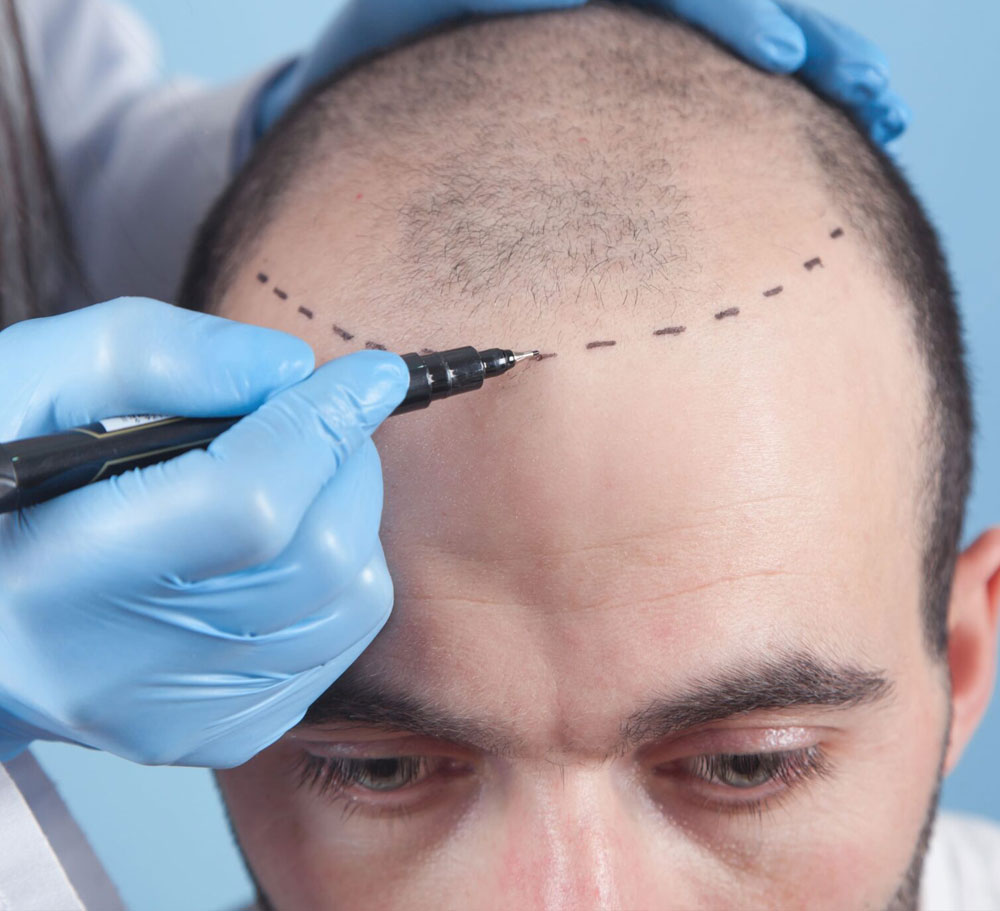
The process begins with reviewing your treatment plan and marking the proposed hairline or treatment areas. The donor area is usually trimmed to allow access to the follicular units.Local anaesthesia is used to numb the areas being treated. The grafts are collected individually, checked and prepared for placement.Small recipient sites are created in the planned areas, and the grafts are positioned with attention to direction, angle and distribution. The procedure can take several hours, depending on the treatment’s extent and complexity. Larger treatment plans may require more than one session.Before leaving, you should receive instructions explaining how to protect the treated areas and care for your scalp.Recovery and Hair Growth After FUE
Recovery involves both initial scalp healing and the gradual development of new hair growth. Temporary redness, tenderness, swelling and small scabs can occur after the procedure.
Your treating clinician will explain when and how to wash your scalp, return to work and resume exercise. These instructions should be tailored to your procedure and recovery.
Transplanted hairs commonly shed during the weeks after treatment before new growth develops. Visible changes build gradually over the following months, and the final appearance takes longer to assess.
What Should You Know Before Choosing FUE?
FUE avoids a single strip-shaped donor scar, but it is not scar-free. Small marks remain where the grafts are collected, and their visibility can vary.
As with other surgical procedures, possible risks include bleeding, infection, reactions to anaesthesia, noticeable scarring and uneven or limited growth. Removing too many grafts can also affect the appearance of the donor area.
Hair transplantation does not stop ongoing hair loss in untreated areas. Your clinician may discuss additional treatment to help manage this and support a longer-term plan.
Frequently Asked Questions
Is FUE Hair Transplantation Painful?
Local anaesthesia is used to numb the scalp. You may feel discomfort during the injections, as well as pressure or movement during treatment. Some tenderness can occur afterwards, and your clinician will advise on managing it.
How Many Grafts Will I Need?
The number depends on the size of the treatment area, your existing hair and the available donor supply. A higher graft count is not automatically better; the plan should balance coverage with responsible donor-area management.
When Will I See the Results?
Many people begin to notice changes over the first several months, with more visible growth commonly developing between six and nine months. Full results can take approximately 10–18 months to assess. Individual timelines vary.
Will the Transplanted Hair Last?
Transplanted follicles can provide long-lasting growth. However, the surrounding hair may continue to thin, and changes in hair loss over time can affect the overall appearance.
Does FUE Require Shaving?
The donor area is usually trimmed or shaved. Whether the recipient area also needs shaving depends on the treatment plan. Limited-shaving approaches may be suitable in selected cases.
Start with a Personal Hair Assessment
Share your photos and tell us what you would like to achieve. Contact Bella Hair Clinic to discuss your options and take the first step towards a personalised hair restoration plan.